
When Gap Insurance Actually Matters
You financed your first car and the dealer offered gap insurance at the finance desk. The pitch was that new drivers crash more often and gap protects you if the car is totaled. That framing conflates two separate questions: whether you will file a claim, and whether your loan balance exceeds what the insurer pays when you do.
Gap insurance covers the difference between what you owe on the loan and what the car is worth at the time of total loss. It exists because cars depreciate faster than most loan balances fall, especially in the first two years. A new driver's higher collision premium already prices the likelihood of a crash. Gap insurance prices the loan structure, not the driver.
Compare car insurance rates in your state
Get quotes from licensed carriers — no obligation, no spam, results in minutes.
Get Your Free QuoteTypical First-Year Depreciation
20%
A new car loses roughly 20% of its value in the first year of ownership. If you financed the full purchase price with little or no down payment, your loan balance will exceed the car's actual cash value from the day you drive off the lot.
What Gap Insurance Covers
Your collision coverage pays the actual cash value of the car at the time of loss. If you financed $18,000 and the car is totaled six months later when its actual cash value is $14,500, collision pays $14,500. You still owe the lender $17,200. Gap insurance pays the $2,700 difference.
Gap does not cover your deductible, missed payments, or negative equity rolled in from a trade-in. It covers only the gap between the insurer's payout and the loan payoff amount on the totaled vehicle. If you owe less than the car is worth, gap pays nothing.
The coverage terminates when the loan is paid off or when the car's value exceeds the loan balance, whichever comes first. Most gap policies also exclude lease vehicles, though lease gap is often bundled into the lease contract itself.
If your down payment was 20% or more and your loan term is 48 months or less, you likely will never be upside-down on the loan. Gap insurance solves a problem you do not have.
When the Loan Structure Justifies Gap
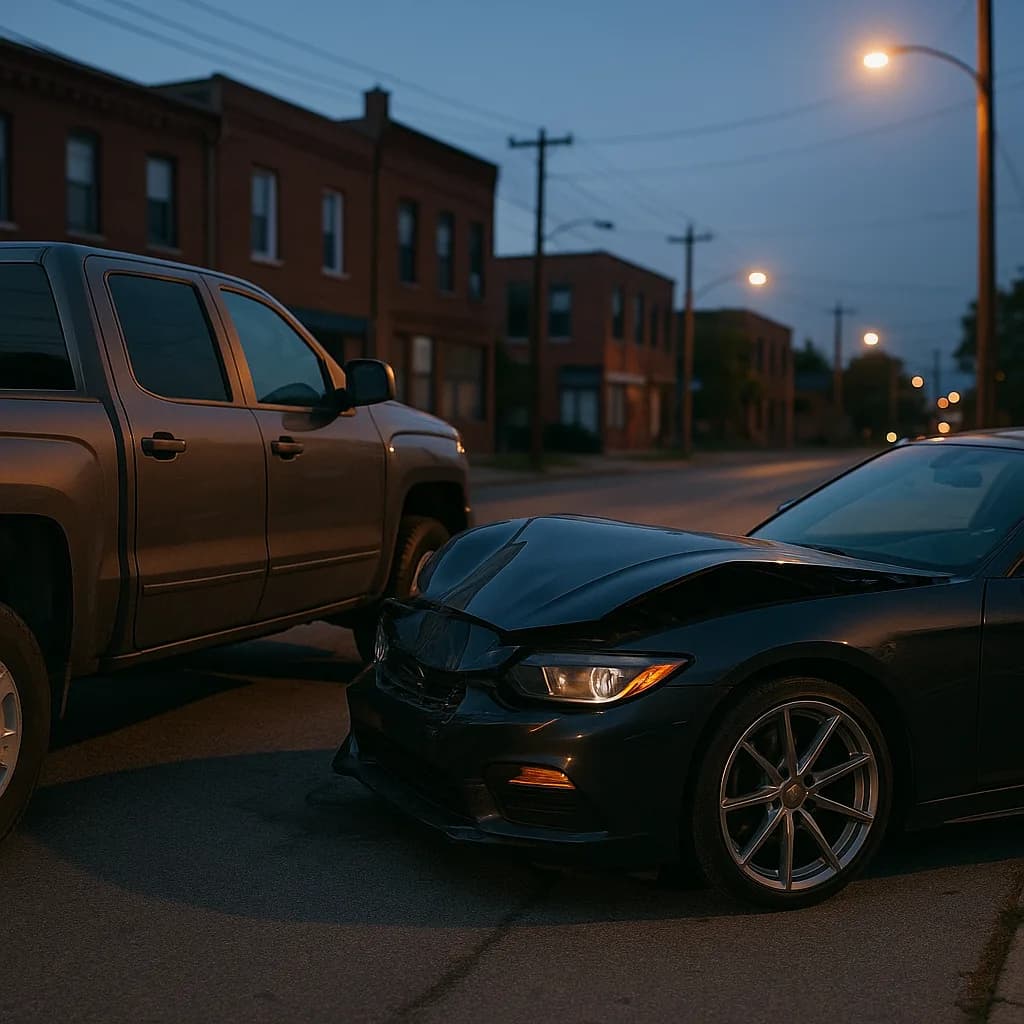
You financed the full purchase price with zero down, or you rolled negative equity from a trade-in into the new loan. Your loan balance starts above the car's value and stays there for 18 to 24 months. A total loss during that window leaves you paying off a car you no longer own. Gap closes that exposure.
You chose a loan term longer than 60 months. Longer terms mean slower principal paydown, and the loan balance stays above the car's depreciating value for a longer period. If you financed a $22,000 car over 72 months with no down payment, you will be upside-down for roughly two years. Gap insurance covers that window.
Related Articles





When Gap Insurance Is Redundant
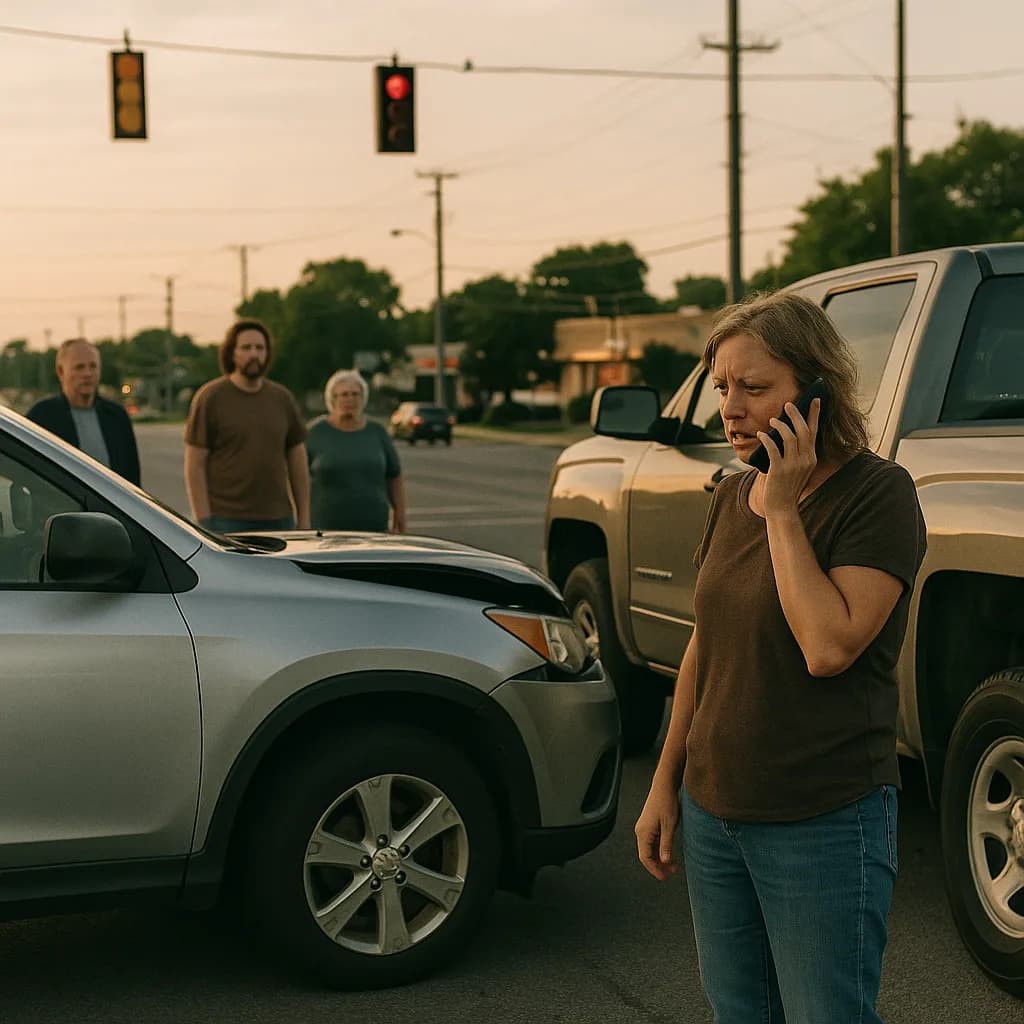
You made a down payment of 20% or more. The loan balance starts below the car's value, and normal depreciation does not create a gap in the first two years. A total loss results in a payout that covers the loan and may leave you with a small check. Gap insurance costs money to protect against a shortfall that will not occur.
You financed a used car with low mileage and strong resale value. Used cars depreciate more slowly than new ones, and if you financed 80% or less of the purchase price, the loan balance and the car's value track closely. The gap never opens wide enough to justify the premium.
Your loan term is 48 months or shorter and you made a standard down payment. The principal pays down faster than the car depreciates, and you cross into positive equity within the first year. Gap insurance on a short-term loan with a down payment is paying for coverage you will never use.
Dealer Gap Insurance Cost
$400–$700
Dealers typically charge $400 to $700 for gap insurance as a one-time fee added to the loan. Your auto insurer offers the same coverage as an add-on to your collision policy for roughly $20 to $40 per year. Over a three-year loan, the insurer's version costs $60 to $120 total.
Where to Buy Gap Insurance
The dealer will offer gap insurance at the finance desk, usually as a flat fee rolled into the loan. That fee is negotiable, but even negotiated it runs higher than buying gap coverage directly from your auto insurer. Most carriers offer gap as an endorsement on your collision coverage for a small annual premium.
If you already financed the car and accepted the dealer's gap product, you can cancel it within the first 30 days and receive a prorated refund. Contact the gap provider listed in your finance paperwork, request cancellation in writing, and confirm the refund amount before the window closes. Then add gap coverage to your auto policy if the loan structure still justifies it.
Compare the Loan Balance to the Car's Value
Pull your loan statement and check the current payoff amount. Look up your car's actual cash value using your insurer's valuation tool or a third-party guide that reflects current market conditions in your area. If the payoff amount exceeds the car's value by more than your deductible, gap insurance covers real exposure. If the value meets or exceeds the payoff, gap insurance is paying for protection you do not need.
Run this comparison every six months for the first two years of the loan. Once the car's value exceeds the loan balance, cancel the gap coverage. Keeping it past that point wastes premium on a risk that no longer exists.