Why Your Quote Changed When Your License Stage Changed
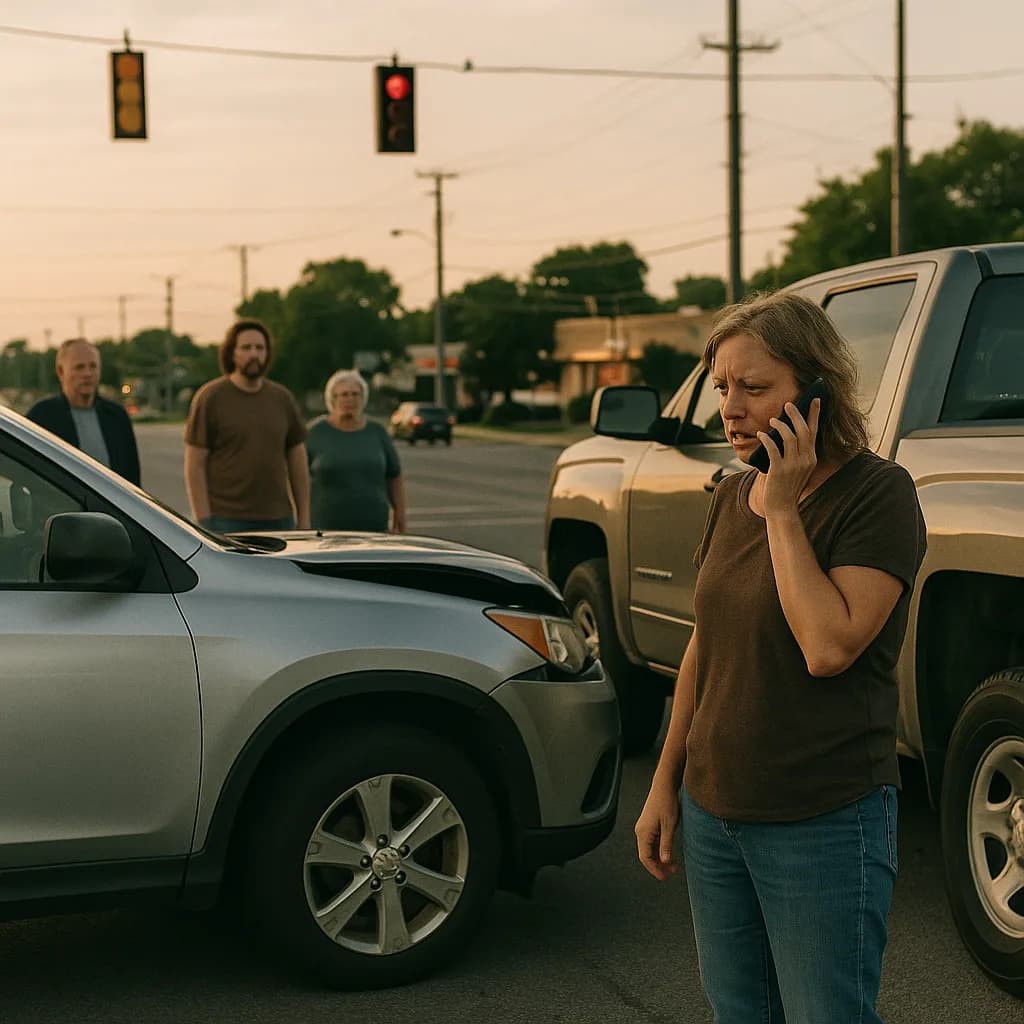
You moved from a learner's permit to a provisional license last month. The household policy premium jumped $180. Nothing else changed—same car, same address, same carrier—but the number climbed the day the DMV issued the intermediate credential.
Carriers price licensing stage and driving record as separate rating factors. A permit holder supervised 100% of the time rates differently than a provisional holder driving solo within restriction windows, even when both have logged identical calendar time behind the wheel. The stage determines exposure; the record determines loss history. Moving from one stage to the next resets the exposure calculation before you've built any record to offset it.
Compare car insurance rates in your state
Get quotes from licensed carriers — no obligation, no spam, results in minutes.
Get Your Free QuoteJurisdictions Requiring Supervised Hours
49 of 51
Forty-nine jurisdictions mandate supervised driving hours before advancing to the next stage, ranging from 20 to 70 hours. The hours demonstrate competency to the DMV, but carriers price the stage itself—not the logged hours—because stage determines solo-driving exposure.
IIHS Graduated Driver Licensing Laws, 2026
What Each Stage Actually Means to a Carrier
A learner's permit restricts you to supervised driving only. The licensed adult in the passenger seat is the primary control, and most carriers rate the supervising driver's record rather than yours. Some insurers require you to be listed on the household policy during the permit stage; others do not, because you cannot legally operate the vehicle alone.
An intermediate or provisional license allows solo driving within restriction windows—typically no passengers under a certain age and no night driving past a set hour. The restrictions vary by state, but all 51 jurisdictions impose both a night restriction and a passenger restriction on provisional holders. Carriers price this stage as partial solo exposure: you can drive alone, but the state has bounded when and with whom.
A full unrestricted license removes the stage-based restrictions. You can drive at any hour with any passengers. Carriers price this as full solo exposure. The rating shift happens the day you advance, even if your actual driving behavior hasn't changed—the state's legal framework around your exposure just widened.
The form asks how long you've been licensed, but it's rating which stage you hold right now—and most online quote forms don't distinguish between provisional and full, leaving the algorithm to infer from your age and issue date.
How Stage and Record Length Interact in the Algorithm
Record length starts accruing the day your permit is issued in most states, but some carriers reset the clock when you advance to provisional or full. The reset happens because the exposure type changed: supervised hours don't predict solo-driving loss the way solo hours do. If your carrier resets at each stage, your 18 months of permit time may not carry forward as 18 months of rated experience when you move to provisional.
Stage restrictions also affect claims behavior in ways the algorithm accounts for. A provisional holder cannot legally drive past 11 p.m. in most states, which removes late-night collision exposure entirely. A full-license holder of the same age faces that exposure the day the restriction lifts. The stage itself is the variable, and advancing from one to the next changes the risk profile the carrier is pricing—even when the driver's skill level is identical.
Related Articles




Why the Household Premium Jumps at Each Stage Transition
Adding a permit holder to a household policy raises the premium modestly or not at all, because the permit holder cannot drive unsupervised. The household's existing drivers remain the rated parties for most trips. Some carriers charge a small listing fee; others add nothing until the provisional stage.
The provisional stage triggers the first major surcharge. The driver can now operate the vehicle alone within restriction windows, and the carrier prices that solo exposure. Adding a 16-year-old provisional driver to a household policy raises the household premium by roughly 128% to 158%, depending on the carrier and the state. The surcharge reflects the stage, not the driver's skill—provisional holders as a class have higher claim frequency than supervised permit holders, and the actuarial tables price that difference.
Advancing to a full unrestricted license raises the surcharge further, because night and passenger restrictions no longer bound the exposure. The same driver who was restricted to daytime solo driving last week can now drive at midnight with three passengers. The legal change is instantaneous; the risk profile the carrier prices shifts with it. Some carriers phase the increase over the first six months of the full-license stage; others apply it immediately.
What Happens When You Skip a Stage or Enter Late
An adult entering a graduated licensing program for the first time follows the same stage sequence as a sixteen-year-old: permit, provisional, full. The age difference does not exempt you from the stages, and carriers price the stage you hold, not your birthday. A 34-year-old provisional holder with six months of solo driving experience quotes higher than a 34-year-old full-license holder with the same six months, because the provisional stage signals bounded exposure and the full stage signals unbounded exposure.
Some states allow adults over a certain age—typically 18 or 21—to skip the provisional stage and move directly from permit to full license after completing supervised hours. When that happens, the carrier prices you as a full-license holder with a short record. You avoid the provisional-stage surcharge, but you enter the full-exposure tier immediately, and the record-length discount accrues from the permit issue date or the full-license issue date depending on the carrier's underwriting rules.
If you hold a license from another country or state and are applying for a new credential in a graduated-licensing state, some states grant you a full license immediately if you can document prior driving history. Others require you to enter the graduated program regardless of prior experience. The stage you are assigned determines the initial quote, and the carrier will reprice you when you advance—even if your actual driving experience spans decades.
Jurisdictions With Stage Restrictions
All 51
Every jurisdiction in the United States imposes night-driving and passenger restrictions on intermediate or provisional license holders. The restriction windows vary—some states set the night cutoff at 10 p.m., others at midnight—but the structural fact is universal: provisional holders face bounded exposure, and carriers price that boundary.
IIHS Graduated Driver Licensing Laws, 2026
How to Position Yourself When Quoting Across Stages
When you request a quote online, the form asks for your license issue date and sometimes your license type. If the form does not distinguish between provisional and full, it infers your stage from your age and issue date. A 17-year-old with a six-month-old license is assumed to hold a provisional credential in most states; a 25-year-old with the same issue date is assumed to hold a full license. The inference can be wrong—an adult in a graduated program may hold a provisional license at 25—and the wrong inference produces the wrong quote.
Call the carrier or work with an agent when your stage does not match the form's assumption. Explain which stage you hold and when you expect to advance. Some carriers will quote you at your current stage and provide a projected rate for the next stage; others will quote only the stage you hold today and require you to re-quote when you advance. Knowing the next stage's rate before you advance helps you decide whether to stay on a household policy or move to a standalone one when the restriction windows lift.
Compare Carriers on How They Treat Stage Transitions
Not all carriers reset your record length when you advance from one stage to the next. Some credit your full permit-stage tenure toward your rated experience when you move to provisional; others start the experience clock over. The difference compounds: a carrier that credits 18 months of permit time will quote you lower at the provisional stage than one that resets you to zero months of rated solo experience.
Ask each carrier during the quote process whether they credit prior-stage time toward your experience rating, and whether they reprice automatically when you advance or require you to notify them. Some carriers pull your license status from state databases and reprice you the month you advance; others wait until renewal unless you call. A provisional-to-full transition that happens three months before renewal may not lower your rate until the policy renews, unless you request a mid-term reprice. Compare not just the current-stage quote, but the carrier's stage-transition rules and whether prior time carries forward.