
When Permit Holders Need Coverage
The permit arrived in the mail and the first supervised drive is scheduled for this weekend. The household auto policy renewed last month and your name does not appear anywhere on the declarations page. Whether you need to be added before that first drive, whether the household policy already covers you without being named, and what happens if an accident occurs during a supervised session with coverage unresolved are the three questions that brought you here.
The answer depends on the household policy's language and the state's financial responsibility rules. Most household policies extend liability coverage to household members operating a covered vehicle with permission, which includes a permit holder driving under supervision. But that extension is not universal, and the gap between what the policy might cover incidentally and what it explicitly covers creates exposure the household cannot afford to leave unresolved. The permit holder needs to be listed on the policy before the first supervised drive.
Compare car insurance rates in your state
Get quotes from licensed carriers — no obligation, no spam, results in minutes.
Get Your Free QuoteJurisdictions Requiring Supervised Hours
49 of 51
Forty-nine of fifty-one jurisdictions require supervised driving hours before advancing from a learner's permit to an intermediate license, ranging from 20 to 70 hours. Every one of those hours is a rated exposure event for the household policy.
IIHS Graduated Driver Licensing research, state DMV requirements
Why Permit Holders Cannot Buy Standalone Policies
A standalone auto insurance policy is a binding contract. In most states, minors cannot enter binding contracts without a parent or guardian co-signing, and insurance carriers structure their underwriting to avoid that complexity. The application path for a standalone policy assumes the applicant holds a full license, can title a vehicle in their own name, and can bind coverage without a co-signer. A permit holder meets none of those conditions.
The structural blocker is not the permit itself but the titled-vehicle requirement. Auto insurance insures a titled vehicle and its operator. A permit holder who does not own a titled vehicle has nothing to insure on a standalone basis. The household-add path exists because the titled vehicle already exists, the policyholder already has capacity to bind coverage, and the permit holder is being added as a rated driver on that vehicle.
Adult permit holders face the same constraint. A forty-two-year-old holding a first learner's permit and living in a household with an existing auto policy must be added to that household policy rather than securing standalone coverage, because the permit does not grant the legal authority to operate a vehicle unsupervised and most carriers will not bind a policy on that basis.
The household policy's renewal date and the permit issue date almost never align. That gap is where coverage disputes start.
Adding a Permit Holder to the Household Policy

The addition triggers a mid-term policy adjustment. The carrier recalculates the premium based on the permit holder's age, the absence of any driving history, and the vehicle's rating factors. The household receives an updated declarations page showing the permit holder as a listed driver and a revised premium amount. That revised premium is effective immediately or on the date the household specifies, and the household pays the difference between the old premium and the new one for the remainder of the policy term.
The premium increase is not small. Adding a permit holder to a household policy raises the premium by roughly 128% to 158% of the prior amount. A household paying $150 per month before the addition will pay between $342 and $387 per month after. That increase reflects the actuarial reality that a driver with no record and no independent operating authority is the highest-rated exposure a household policy can carry. The increase persists through the permit stage, the intermediate license stage, and into the early years of the full license, declining only as the driver accumulates a clean record.
Related Articles




What Happens If You Drive Before Being Added
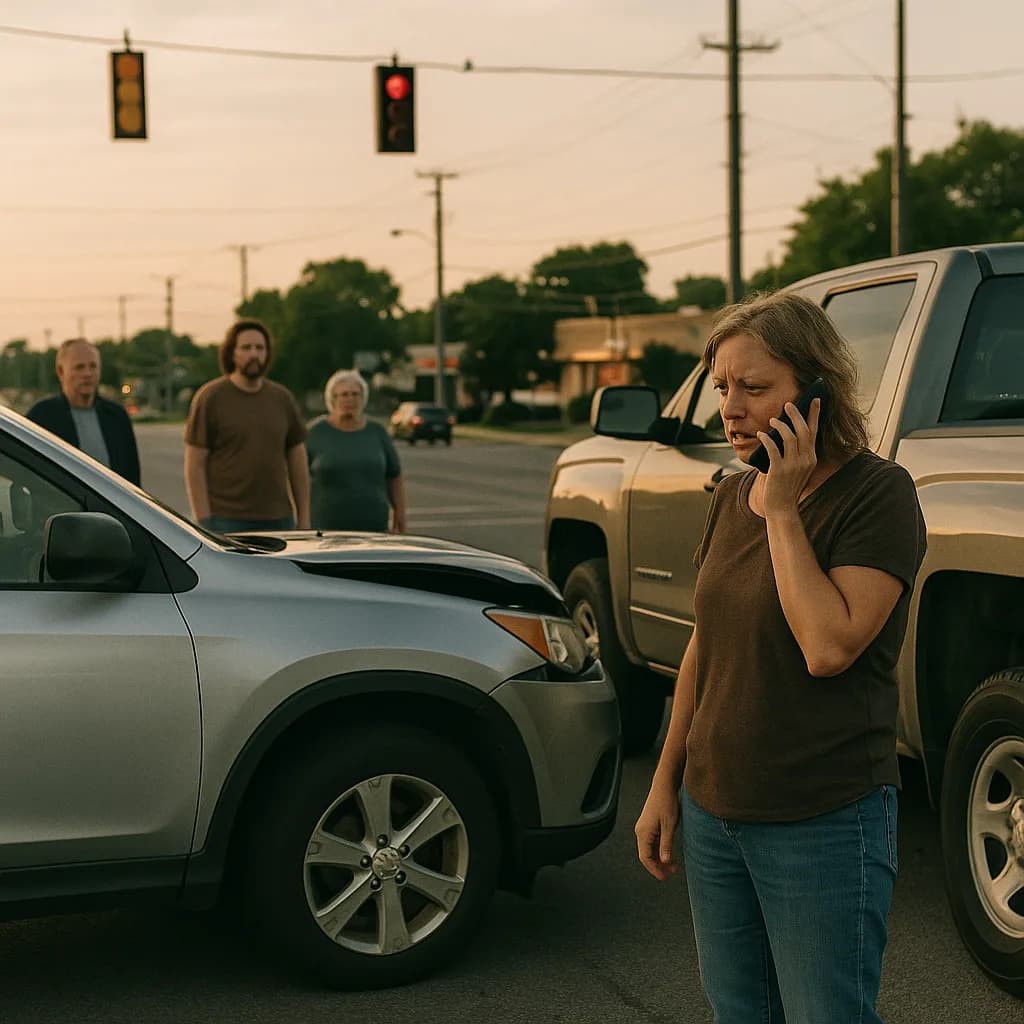
A permit holder operates the household vehicle during a supervised session before being added to the policy. An accident occurs. The household files a claim. The carrier investigates and discovers that the permit holder was a household member at the time of the loss but was not listed on the policy. Whether the claim is covered depends on the policy's household-member language and the state's regulatory framework.
Most household policies include an omnibus clause extending liability coverage to any household member operating a covered vehicle with permission. That clause would cover the permit holder's liability to third parties even if the permit holder was not explicitly listed. But the carrier will add the permit holder retroactively to the policy effective the date of the permit's issuance, recalculate the premium for the period between issuance and discovery, and bill the household for the unpaid difference. If the household cannot pay that retroactive premium, the carrier may rescind coverage for material misrepresentation.
The exposure is not just financial. A claim filed under these circumstances creates an adversarial relationship with the carrier at the exact moment the household needs the carrier to process the claim quickly. The household avoids that exposure by adding the permit holder before the first supervised drive, paying the increased premium from the start, and eliminating any gap between the permit's legal authority and the policy's coverage grant.
Monthly Cost for Teen Full Coverage
$487–$637
Teen drivers ages 16 to 19 carrying full coverage pay roughly $487 to $637 per month nationally. Minimum coverage runs $184 to $242 per month. The permit stage sits below these figures because the permit holder is added to an existing household policy rather than securing standalone coverage, but the household absorbs the surcharge.
MoneyGeek 2026 teen driver analysis, Insure.com 2026
Household Policy Versus Future Standalone Coverage
The permit holder will eventually advance to a full license. At that point the choice becomes whether to remain on the household policy or secure standalone coverage. That choice determines whether the household continues to absorb the surcharge or whether the new driver carries it forward into every future quote.
An 18-year-old new driver added to a parent's policy pays roughly $411 per month as the household's incremental cost. The same driver securing standalone coverage pays roughly $609 per month. The $198 difference reflects the household policy's multi-car and multi-driver discounts, which a standalone policy cannot access. But the household policy's structure also means the surcharge affects the household's insurance history. If the new driver causes a claim, that claim appears on the household policy's loss record and affects the household's rates at every future renewal.
The decision point is not the permit stage but the full-license stage. During the permit and intermediate stages, the household-add path is the only structurally available option in most cases. Once the full license is issued and the driver can title a vehicle, the standalone option opens. The household evaluates the $198 monthly savings against the risk that a claim on the household policy affects the household's long-term rates, and makes the choice that fits the household's financial position and risk tolerance.
State Rules and Supervised-Driving Requirements
Learner's permit minimum age ranges from 14 to 16 across the fifty states and the District of Columbia. Age 15 is the most common, applying in 26 of 51 jurisdictions. Supervised driving hours range from 20 to 70 hours, with 50 hours being the most common requirement, mandated in 29 jurisdictions. The permit holding period before advancing to an intermediate license ranges from 6 to 12 months, with 6 months being the most common.
Every one of those supervised hours is a rated exposure event. The household policy prices that exposure the moment the permit holder is added. The state's specific hour count, holding period, and advancement rules determine how long the permit stage lasts, but the insurance mechanics are the same in every state: the permit holder must be added to the household policy, the household pays the increased premium, and the permit holder operates the vehicle only under the supervision the permit legally requires.
Your state's exact requirements, the carriers writing in your state, and the household policy's specific language govern what happens next. Verify your state's graduated licensing rules, confirm that the household policy's declarations page lists the permit holder before the first supervised drive, and understand that the premium increase you are seeing now is the floor, not the ceiling. It persists through the intermediate stage and into the early years of the full license, declining only as the driver builds a clean record.
Next Step: Add the Permit Holder Before the First Drive
Contact the household policy's carrier today. Provide the permit number, the issue date, and the vehicle the permit holder will operate during supervised sessions. Request that the permit holder be added as a listed driver effective immediately or on the date of the first planned supervised drive, whichever comes first. Pay the revised premium when the carrier bills it. Confirm that the updated declarations page lists the permit holder by name before that first drive occurs. That sequence closes the gap between the permit's issuance and the policy's coverage grant, eliminates the retroactive-premium exposure, and ensures that every supervised hour is a covered event from the start.