
How Coverage Works for a Learner Permit Holder
The carrier asks whether you have prior insurance, and the answer is no. You have never held a policy, never been a named insured, and the quote form does not have a box for that. Most learner permit holders are added to a household policy as listed drivers rather than placed on standalone policies, but the mechanics of how that addition works are rarely explained until after the quote comes back and the household premium has doubled.
A learner permit holder cannot drive alone. Every state requires a licensed adult in the vehicle during supervised driving. That supervision requirement means the household policy already in force covers the learner under the permissive-use clause the moment they begin driving. The question is not whether coverage exists—it does—but whether the learner must be formally listed on the policy, and when.
Compare car insurance rates in your state
Get quotes from licensed carriers — no obligation, no spam, results in minutes.
Get Your Free QuoteJurisdictions Requiring Supervised Hours
49 of 51
Forty-nine of fifty-one jurisdictions require a minimum number of supervised driving hours before advancing from a learner permit to an intermediate license, ranging from 20 to 70 hours. The most common requirement is 50 hours, mandated in 29 jurisdictions.
IIHS Graduated Licensing Laws, 2026
When the Learner Must Be Listed
Most carriers require a learner permit holder to be listed as a driver on the household policy before the permit is used. The listing triggers the surcharge. Some carriers allow a grace period—typically 30 to 60 days—before requiring the listing, but that grace period is not universal, and relying on it without confirming the carrier's rule creates a coverage gap if a claim occurs during supervised driving.
The household policy's declarations page will show the learner as a listed driver, not as a named insured. A listed driver is covered under the policy but does not own it. The named insured—usually a parent—remains the policyholder. That distinction matters when the learner transitions to a standalone policy later, because the learner will have been covered but will not have held a policy in their own name.
Carriers price the listing by the absence of loss history. A learner permit holder has no claims, no violations, and no years of safe driving to offset the actuarial risk. Adding a 16-year-old learner to a household policy raises the household premium by roughly 128% to 158%. The surcharge applies whether the learner drives daily or once a week; it reflects the exposure, not the mileage.
The learner must be listed before the permit is used. Waiting until after a claim to add them retroactively does not work—the carrier will deny the claim and may cancel the policy.
Adding the Learner to the Household Policy
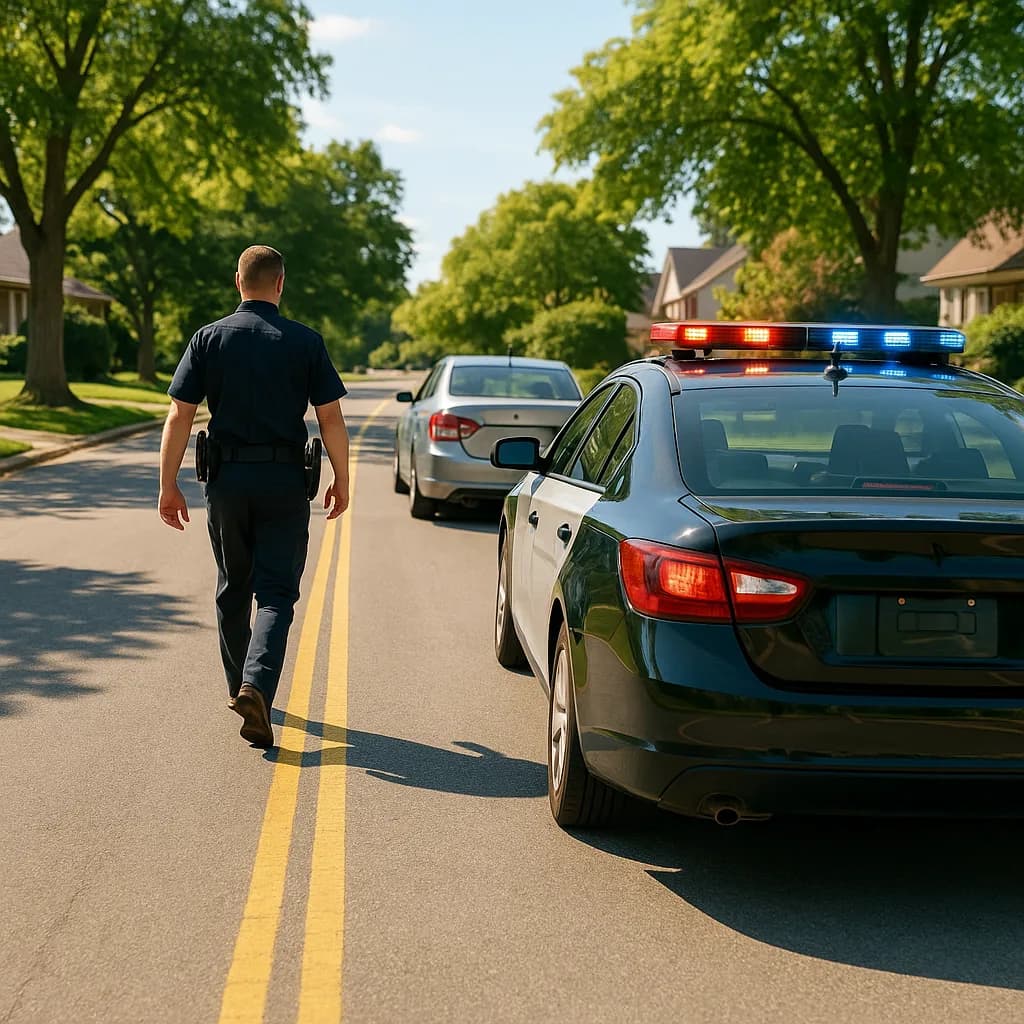
The effective date must meet or precede the date the learner first drives under the permit. A gap between the permit issue date and the listing date creates an uninsured-driver exposure. If a claim occurs during that gap, the carrier may deny coverage on the grounds that the learner was not listed when the loss occurred. The household policy's permissive-use clause does not override the requirement to list household members who hold permits or licenses.
The carrier will ask for the learner's date of birth, permit number, and the date the permit was issued. Some carriers require a copy of the permit itself. The policyholder should confirm the listing appears on the next declarations page and that the premium adjustment matches the quoted surcharge. Discrepancies between the quoted surcharge and the billed amount are common and resolve faster when caught immediately.
Related Articles




What the Household Policy Covers During Supervised Driving
The household policy's liability coverage applies to the learner during supervised driving. If the learner causes an accident while a licensed adult is in the vehicle, the policy's bodily injury and property damage liability limits respond to third-party claims. The policy's collision and comprehensive coverage apply to damage to the household vehicle the learner was driving, subject to the policy's deductible.
The licensed adult supervising the learner is not automatically liable for the learner's actions. Liability follows the driver, not the supervisor, unless the supervisor was negligent in allowing an unfit driver to operate the vehicle. That distinction matters in states where the household policy's limits are the minimum required by law and a serious accident exhausts those limits quickly.
State minimum liability limits range from 15/30/5 in some jurisdictions to 50/100/50 in others. A household with real assets—home equity, retirement accounts, savings—should carry liability limits well above the state minimum. The learner's lack of experience increases the probability of a claim, and the household's assets are exposed if the claim exceeds the policy's limits.
Monthly Premium for Teen Full Coverage
$487–$637
Teen drivers ages 16 to 19 pay roughly $487 to $637 per month for full coverage on a standalone policy, blended across national studies. Adding the teen to a household policy costs less but still raises the household premium by 128% to 158%.
MoneyGeek 2026, Insure.com 2026
Standalone Policy Versus Household Addition
A standalone policy in the learner's name is rare during the permit stage but becomes the decision point when the learner advances to an intermediate or full license. The household-versus-standalone choice hinges on garaging address, vehicle ownership, and whether the household's multi-car and bundling discounts offset the surcharge from adding the new driver.
An 18-year-old new driver added to a parent's policy pays roughly $411 per month in added premium. The same driver on a standalone policy pays roughly $609 per month. The $200 gap is the cost of losing the household's multi-policy and multi-car discounts. A learner who moves out for college or work and garages the vehicle at a different address may be required to carry a standalone policy, because most carriers define household membership by garaging address, not by family relationship.
Transitioning From Household Policy to Standalone Coverage
The transition from household policy to standalone policy must happen without a coverage gap. A gap of even three days between the removal date on the household policy and the effective date of the standalone policy starts a lapse record. That lapse surfaces in every future quote as a coverage-continuity break, and carriers price lapses as high-risk behavior regardless of the reason.
The policyholder removing the learner from the household policy should confirm the exact removal date with the carrier and provide that date to the learner. The learner's standalone policy must have an effective date that meets or precedes the removal date. The two dates must touch. Coordinating this across two carriers—one removing, one adding—requires explicit communication, and assuming the dates will align without confirmation is the most common failure mode.
The learner transitioning to a standalone policy will be asked for proof of prior insurance. The household policy's declarations page showing the learner as a listed driver serves as that proof. Carriers verify prior coverage to confirm the driver was not uninsured before applying for the new policy. A learner who was never formally listed on the household policy has no proof of prior coverage and will be quoted as a first-time buyer with no history, which costs more.