When You Need Insurance But Don't Own a Car
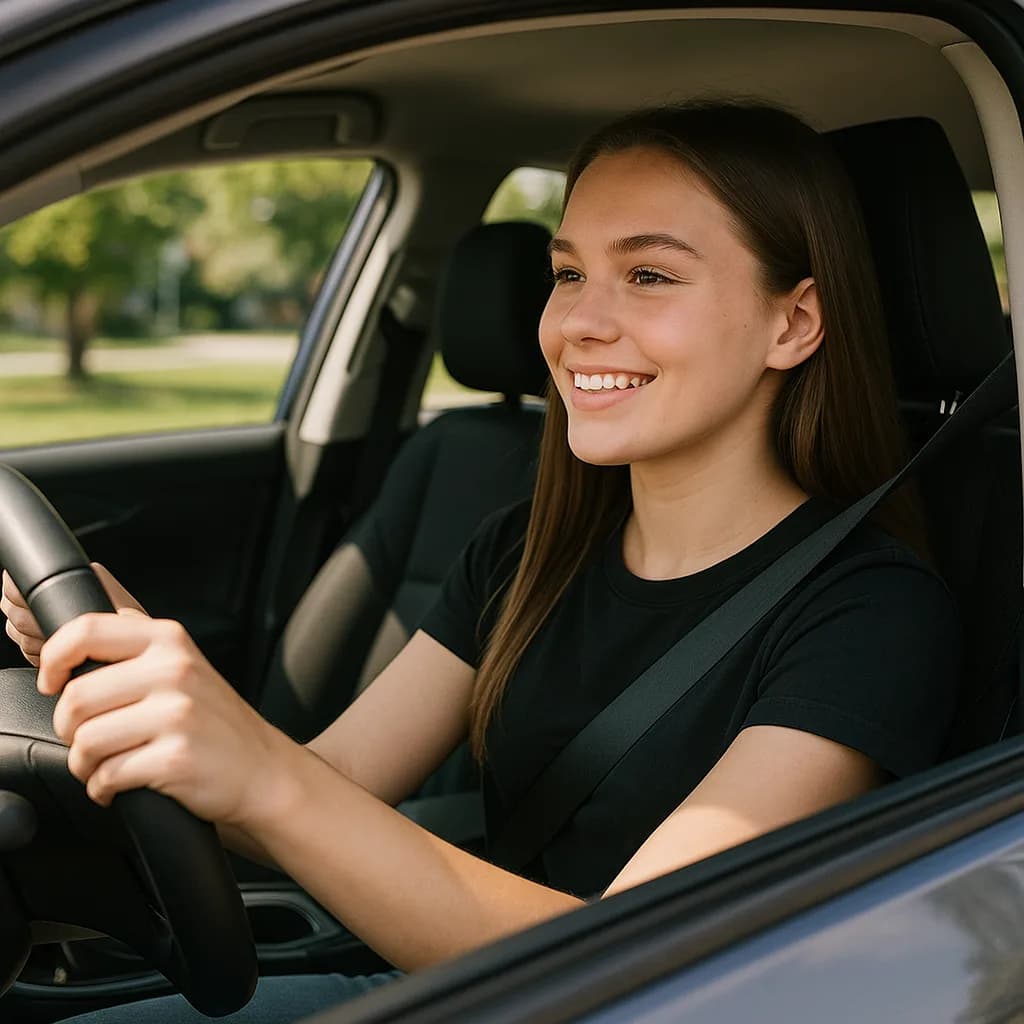
You hold a license but no car is titled in your name. You borrow a parent's vehicle occasionally, drive a company car for work, or rent when you travel. The non-owner car insurance policy exists for exactly this: it covers your liability when you drive a vehicle you don't own, and it keeps your insurance history continuous even when you're between cars.
The structural problem: non-owner applications assume you're switching from a standard policy and ask for proof of prior coverage. A new driver with no prior policy hits a dead end at that field. The application wasn't built for someone entering the system for the first time, and the workaround depends on how you position yourself in the carrier's underwriting path.
Compare car insurance rates in your state
Get quotes from licensed carriers — no obligation, no spam, results in minutes.
Get Your Free QuoteNational Non-Owner Premium
$37–$46/mo
Non-owner policies cost roughly $37 to $46 per month nationally because they cover liability only and exclude collision and comprehensive. A new driver with no record pays more than this range, but the base is lower than a standard policy on an owned vehicle.
MoneyGeek, Insurify, Insure.com 2026
What a Non-Owner Policy Actually Covers
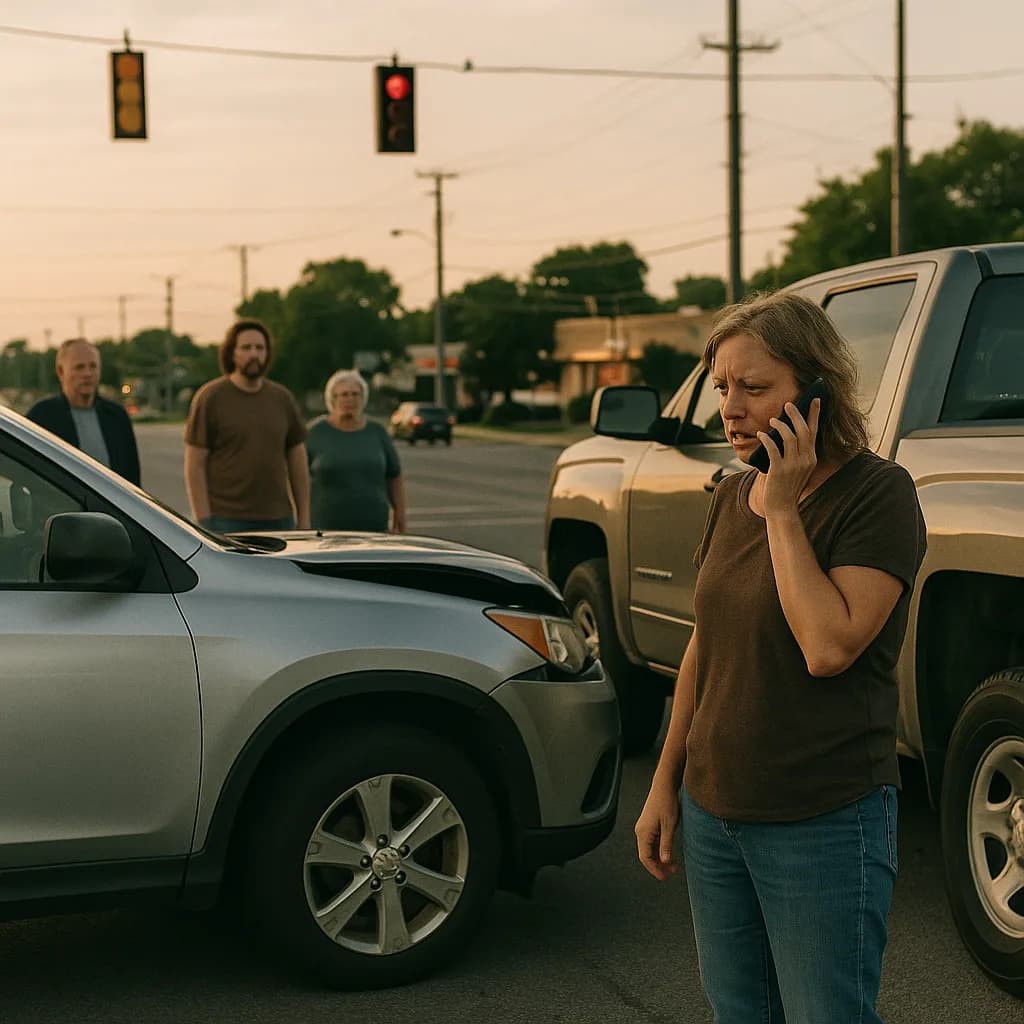
A non-owner policy provides liability coverage when you drive a car you don't own. If you cause an accident, the policy pays for the other party's injuries and property damage up to your policy limits. It does not cover damage to the vehicle you were driving or your own injuries.
The vehicle owner's insurance is primary. If you borrow a friend's car and cause an accident, their policy pays first. Your non-owner policy kicks in only if their limits are exhausted or if they have no coverage. This makes non-owner insurance secondary, which is why it costs less than a standard policy.
Non-owner policies do not include collision or comprehensive coverage because you don't own a vehicle to insure. You cannot add these coverages to a non-owner policy. If you need physical-damage protection for a car you drive regularly, you need a standard policy, not a non-owner one.
The non-owner application assumes prior coverage. A new driver with no insurance history must route through the carrier's new-driver underwriting path, not the switcher path.
How New Drivers Position the Application

Carriers route new drivers through different underwriting. Some allow you to select 'no prior coverage' or 'new driver' at the start of the application, which skips the proof-of-prior field entirely. Others require a phone call to an agent who can manually override the field. A third group won't write non-owner policies for drivers with no prior coverage at all and route you to a standard policy instead.
The garaging address determines eligibility. If you live in a household with titled vehicles, some carriers assume you have regular access and decline the non-owner application. Others accept it but price higher. If you live independently with no household vehicles, the non-owner path opens cleanly. Know your household's vehicle count before starting the application.
Related Articles


When Non-Owner Coverage Makes Sense
You borrow vehicles occasionally but don't own one. A parent lets you use their car on weekends, or you rent when traveling for work. The non-owner policy keeps your insurance history continuous, which matters when you eventually buy a car and need a standard policy. Carriers price drivers with continuous coverage lower than drivers with gaps.
You need an SR-22 filing but don't own a vehicle. Some states require SR-22 after a license suspension, and a non-owner policy satisfies the filing requirement without requiring you to own a car. The carrier files the SR-22 on your behalf, and the state monitors compliance. This is a common use case, but it applies to drivers with a violation history, not new drivers entering the system cleanly.
You drive a company car and need personal liability coverage. Employer-provided coverage protects the company, not you personally. A non-owner policy fills the gap. If you cause an accident in the company vehicle and the employer's policy doesn't cover your personal liability, your non-owner policy responds. Verify your employer's coverage terms before deciding.
Carriers Writing Non-Owner
17
Seventeen of 34 tracked carriers flag non-owner policies as available, but not all write them for new drivers with no prior coverage. Geico, Progressive, and State Farm offer online quoting for non-owner policies; others require a phone call or broker.
Carrier filing data 2026
The Household-Policy Alternative
If you live with a parent or spouse who owns a vehicle and holds a policy, adding yourself as a named driver to their policy costs less than a standalone non-owner policy. The household policy already covers the vehicle; adding you extends that coverage when you drive it. You don't need a separate non-owner policy unless you drive vehicles outside the household regularly.
The garaging-address rule governs this decision. If you live at the same address as the vehicle and have regular access, most carriers require you to be listed on the household policy. Buying a non-owner policy while living in a household with titled vehicles triggers underwriting questions and may result in a declined application or a policy that won't pay a claim because you misrepresented your access.
What Happens When You Buy a Car
When you buy a vehicle, the non-owner policy converts to a standard policy or you cancel it and buy a new one. Most carriers allow you to convert mid-term without penalty, and your continuous-coverage history carries forward. The premium increases because you're now insuring a titled vehicle with collision and comprehensive coverage, not just liability.
Notify the carrier immediately when you take title. Driving a car you own under a non-owner policy voids coverage. The policy explicitly excludes vehicles you own, and a claim on an owned vehicle under a non-owner policy will be denied. The conversion or cancellation must happen the day you take possession, not weeks later.