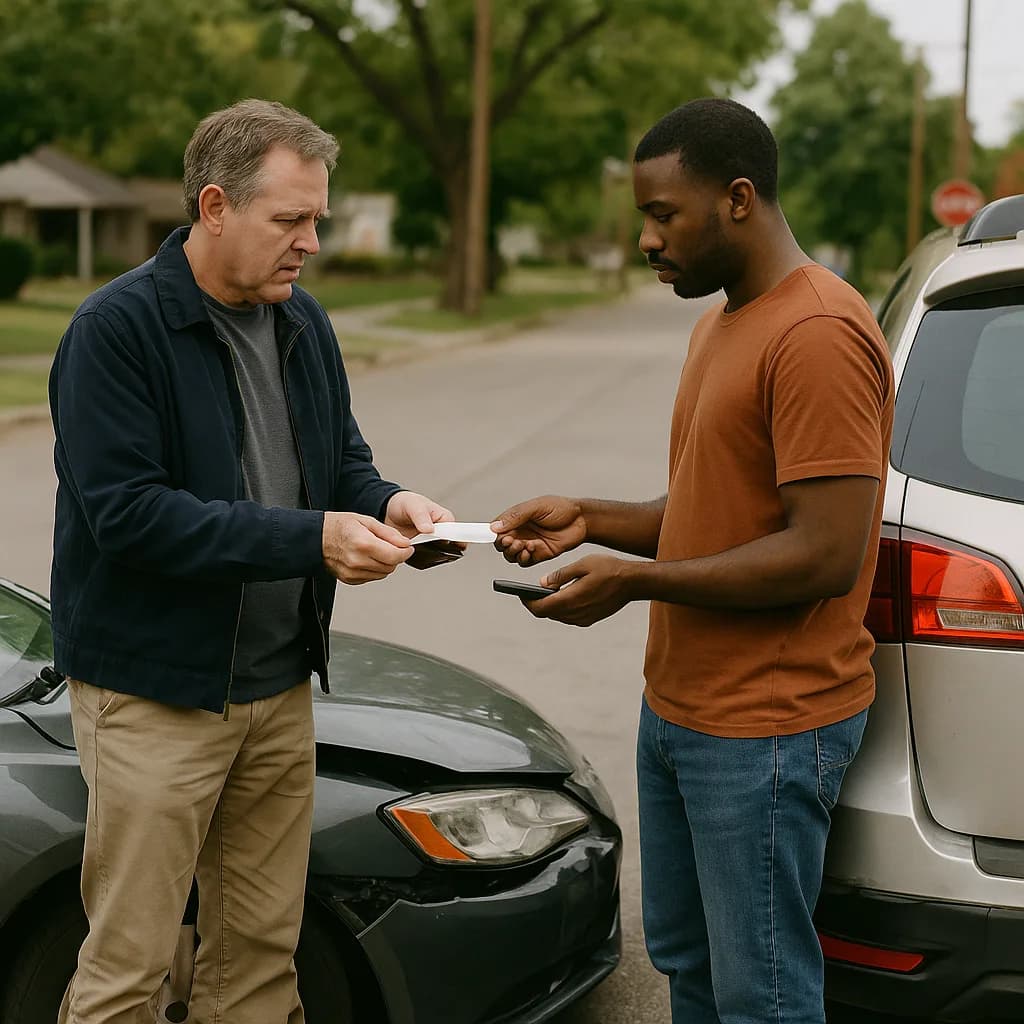
What Happens When a Permit Driver Has an Accident
The accident happened. The permit holder was driving. The other car has damage, or your car does, or both. The first question the carrier asks is whether a licensed supervising driver was in the passenger seat at the moment of impact, and whether that driver met the state's supervision requirements. The answer determines whether the household policy covers the claim, whether a surcharge applies to the household premium, and whether the accident appears on the permit holder's record when they apply for their own policy years later.
Most permit holders believe the accident stays with the household policy and disappears when they get their own coverage. That is not how claims history works. The accident is attributed to the driver who was operating the vehicle, regardless of age or license stage. The household policy pays the claim and absorbs the immediate surcharge, but the permit holder carries the claim forward into every future quote. Understanding the mechanics now prevents costly surprises at the first standalone-policy application.
Compare car insurance rates in your state
Get quotes from licensed carriers — no obligation, no spam, results in minutes.
Get Your Free QuoteJurisdictions Requiring Supervision
49 of 51
Forty-nine of fifty-one jurisdictions impose specific supervision requirements on permit holders: a licensed driver of a minimum age in the passenger seat, often with a minimum number of years of driving experience. The two jurisdictions without explicit supervision mandates still require the permit holder to operate under restrictions.
IIHS Graduated Driver Licensing Laws, state DMV regulations
Coverage Applies Only When Supervision Rules Are Met
The household auto policy covers a permit-holder accident only if the permit holder was operating the vehicle in compliance with state supervision requirements at the moment of impact. Most states require a licensed driver age 21 or older with a minimum number of years of driving experience in the passenger seat. If the supervising driver does not meet those requirements, or if no supervising driver was present, the carrier can deny the claim on the grounds that the permit holder was operating the vehicle illegally.
Supervision requirements are not suggestions. A parent with two years of driving experience does not meet a three-year supervision requirement. A sibling age nineteen does not meet a twenty-one-year-old minimum. If the accident occurs while the permit holder is driving alone, or with a supervising driver who does not meet the state's age or experience threshold, the household policy may not cover the damage. The permit holder and the vehicle owner become personally liable for the other party's damages, and the household faces a coverage gap it assumed did not exist.
Verify your state's exact supervision requirements before the permit holder gets behind the wheel. The requirements differ by state: some specify age only, others add years-licensed minimums, and a few impose additional restrictions on nighttime supervision or the number of passengers allowed even with a supervising driver present. The state page for your jurisdiction lists the current requirements.
If the supervising driver does not meet the state's age or experience requirements at the moment of impact, the carrier can deny the claim and the household becomes personally liable.
How the Claim Is Processed and Who Pays

The household policyholder files the claim. The carrier assigns fault based on the accident report, witness statements, and applicable state fault rules. If the permit holder is determined at-fault, the claim is recorded as an at-fault accident on the permit holder's driving record, and the household policy premium increases at the next renewal. The surcharge typically lasts three to five years and ranges from roughly 43% to 55% above the pre-accident premium for a single at-fault accident, though the exact increase depends on the carrier, the state, the household's prior claims history, and the severity of the damage.
The permit holder does not pay the surcharge directly because they are not the policyholder. The household absorbs it. But the claim does not disappear when the permit holder advances to a provisional license or applies for their own standalone policy. Every carrier application asks for a complete driving history, including accidents that occurred while operating under a learner's permit. The permit-holder accident appears on the motor vehicle record, and carriers price it into the first standalone quote the same way they price any other at-fault claim. The household paid the surcharge for three years; the permit holder pays it again when they leave the household policy.
Related Articles




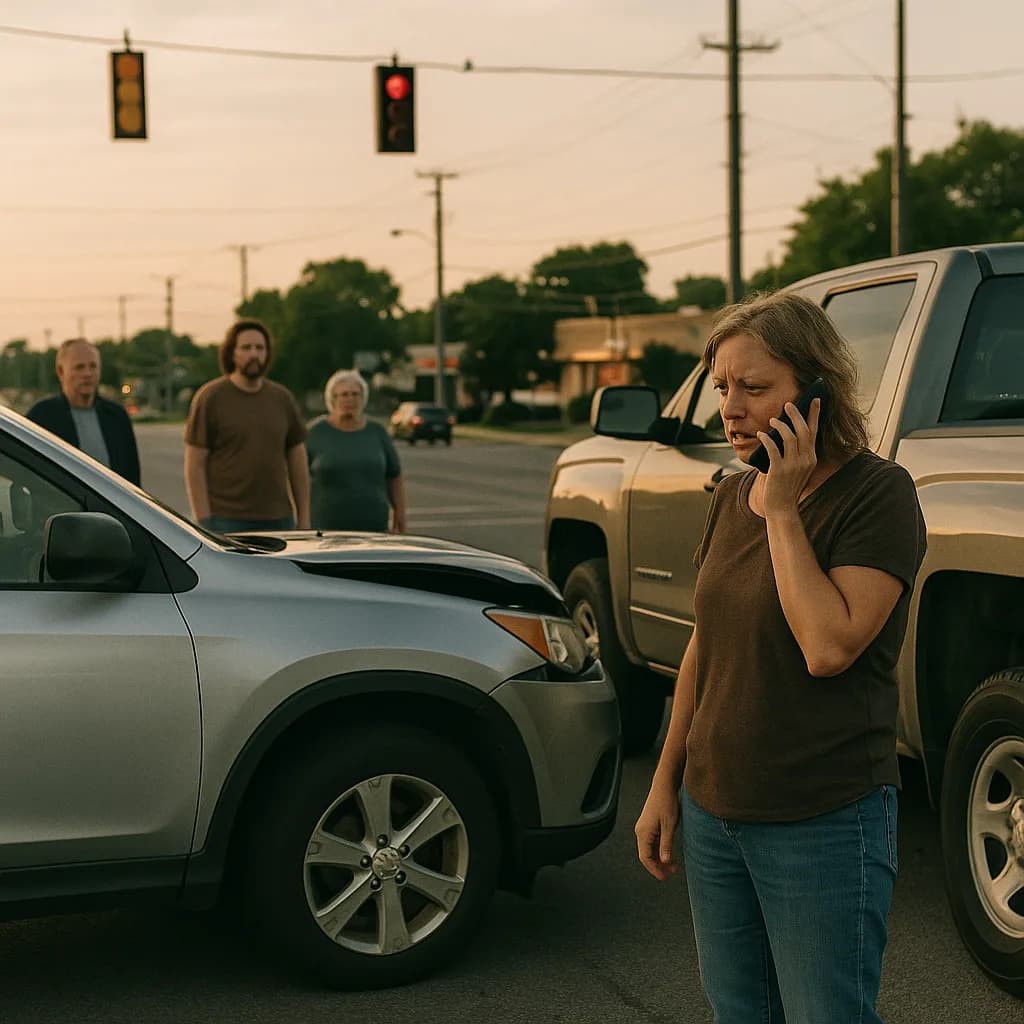

The Claim Follows the Permit Holder Into Future Quotes
Carriers pull the motor vehicle record when underwriting a new policy. An at-fault accident that occurred while the applicant held a learner's permit appears on that record the same way an accident during any other licensing stage does. The carrier does not distinguish between an accident at fifteen with a permit and an accident at nineteen with a full license. Both are at-fault claims, and both trigger a surcharge.
The permit holder who moves from the household policy to a standalone policy at eighteen carries the claim forward. If the accident occurred at sixteen and the permit holder applies for standalone coverage at eighteen, the claim is two years old but still within the three-to-five-year surcharge window most carriers apply. The first standalone quote reflects it. The household already absorbed the surcharge for two years on the parent's policy; the new driver now absorbs it for the remaining surcharge period on their own.
This compounding is why some households delay the transition to a standalone policy until the claim ages out of the surcharge window. If the permit-holder accident occurred at sixteen and the surcharge lasts three years, waiting until nineteen to move the driver to a standalone policy means the first quote reflects a clean record. The household continues to absorb the surcharge during the waiting period, but the new driver avoids carrying it forward. The tradeoff is that the household premium remains elevated for the full three years, and the new driver remains on the household policy longer than they might otherwise.
At-Fault Accident Surcharge Range
+43% to +55%
A single at-fault accident typically raises a household auto insurance premium by roughly 43% to 55% at the next renewal. The surcharge persists for three to five years depending on the carrier and the state, and it applies whether the at-fault driver holds a learner's permit, a provisional license, or a full license.
Insurance.com 2026 accident/ticket study, Bankrate 2025
Not-at-Fault Accidents and How They Differ
If the permit holder is determined not at fault, the claim still appears on the driving record, but most carriers do not apply a surcharge for a not-at-fault accident. The other party's liability coverage pays for the damage to your vehicle, and the household policy is not charged. Some carriers apply a small surcharge even for not-at-fault claims if the household has multiple claims within a short period, but a single not-at-fault accident typically does not raise the premium.
The not-at-fault claim still follows the permit holder into future quotes. Carriers see it on the motor vehicle record when underwriting a standalone policy application. Most do not surcharge for it, but a pattern of multiple not-at-fault claims can signal risk and affect the quote. One not-at-fault accident at sixteen does not materially change the rate at eighteen. Three not-at-fault accidents in two years might.
What to Do After a Permit-Driver Accident
File the claim with the household policy carrier immediately. Provide the accident report, the names and contact information for all parties involved, and documentation that the supervising driver met the state's requirements at the time of the accident. The carrier will ask for the supervising driver's license number, date of birth, and the date they were first licensed to verify compliance. If the supervising driver does not meet the requirements, disclose that to the carrier before the claim is filed. Attempting to misrepresent supervision compliance is fraud and voids coverage entirely.
Expect the household premium to increase at the next renewal if the permit holder is determined at fault. The surcharge is not immediate; it applies when the policy renews, typically within six to twelve months of the accident date. Some households shop for a new carrier before the renewal to avoid the surcharge, but the claim appears on the motor vehicle record regardless of which carrier underwrites the policy. Switching carriers does not erase the claim; it only changes which carrier applies the surcharge, and most will.
Document the accident date, the fault determination, and the claim closure date. The permit holder will need this information when applying for their own policy. Carriers ask for a complete claims history, and providing accurate dates and fault determinations up front prevents underwriting delays. If the claim is still open when the permit holder applies for standalone coverage, disclose that to the new carrier. An open claim is priced differently than a closed one, and failing to disclose it can result in the policy being rescinded after binding.
Compare Household and Standalone Options Before the Next Renewal
The household absorbed the accident surcharge, and the permit holder now holds a provisional or full license. The next decision is whether to keep the driver on the household policy or move them to a standalone one. The household-versus-standalone choice determines who continues to absorb the surcharge for the remainder of its three-to-five-year window. If the driver stays on the household policy, the household premium remains elevated. If the driver moves to a standalone policy, the new quote reflects the claim, and the driver absorbs the surcharge going forward.
Run quotes for both scenarios before the household policy renews. Request a quote for the household policy with the driver still listed, and request a standalone quote in the driver's name. Compare the total household cost under each scenario: the elevated household premium with the driver included versus the household premium after removing the driver plus the standalone policy cost. The standalone option is not always more expensive. In some cases, removing a driver with a claim from the household policy reduces the household premium enough that the combined cost of the reduced household policy and the new standalone policy is lower than keeping everyone together.
If the claim is close to aging out of the surcharge window, waiting a few months before moving the driver to a standalone policy can produce a materially lower first quote. A claim two years and eleven months old is still within a three-year surcharge window; a claim three years and one month old is not. The one-month difference changes the quote. Verify the carrier's exact surcharge window before deciding when to transition.