
The Question Every New Driver's Family Asks
Your daughter just got her license three weeks ago. She borrows her grandmother's car to drive to school because the household car is in the shop. She backs into a mailbox in the school parking lot. The grandmother calls her carrier to report the claim, and the first question the adjuster asks is whether the driver lives in the household and whether the car is garaged at the grandmother's address. The answer to both determines whether the claim is covered, denied, or triggers an exclusion neither family knew existed.
This is not an edge case. New drivers borrow vehicles from relatives constantly during the first months of licensing. The assumption is that someone's insurance will cover it. That assumption is half right: someone's policy does cover it, but which policy, under what conditions, and whether the borrowing itself created an undisclosed risk the carrier can deny are questions most families answer only after the accident.
Compare car insurance rates in your state
Get quotes from licensed carriers — no obligation, no spam, results in minutes.
Get Your Free QuoteCarriers Writing Auto Coverage
34
Thirty-four carriers are tracked nationally for new-driver coverage, and permissive-use rules vary by carrier. Some allow occasional borrowing by any licensed driver; others require household members to be listed or exclude drivers under a certain age unless named on the policy.
Carrier filings and underwriting guidelines, 2026
Coverage Follows the Vehicle, Not the Driver
Auto insurance in the United States attaches to the vehicle first, then extends to permissive users under conditions set by the policy. The vehicle owner's policy is primary. If your daughter drives her grandmother's car and causes an accident, the grandmother's carrier pays the claim first, up to the limits on that policy. Your household policy becomes secondary only if damages exceed the grandmother's limits and your policy includes coverage that applies to non-owned vehicles.
This is true regardless of where the driver lives, whose household policy lists them, or how often they borrow the car. The titled owner's policy is the first responder. The confusion arises because most families assume the driver's policy follows the driver. It does not. The policy follows the car.
The carrier's willingness to pay, however, depends on whether the borrowing was permissive, occasional, and disclosed. If the grandmother knew her granddaughter would be driving the car regularly and did not tell the carrier, the carrier can argue the risk was materially misrepresented and deny the claim. If the driver lives in the same household as the vehicle owner and was not listed on the policy, most carriers exclude coverage entirely.
If the new driver lives in the vehicle owner's household and is not listed on the policy, most carriers exclude coverage for that driver entirely.
When Permissive Use Applies and When It Fails
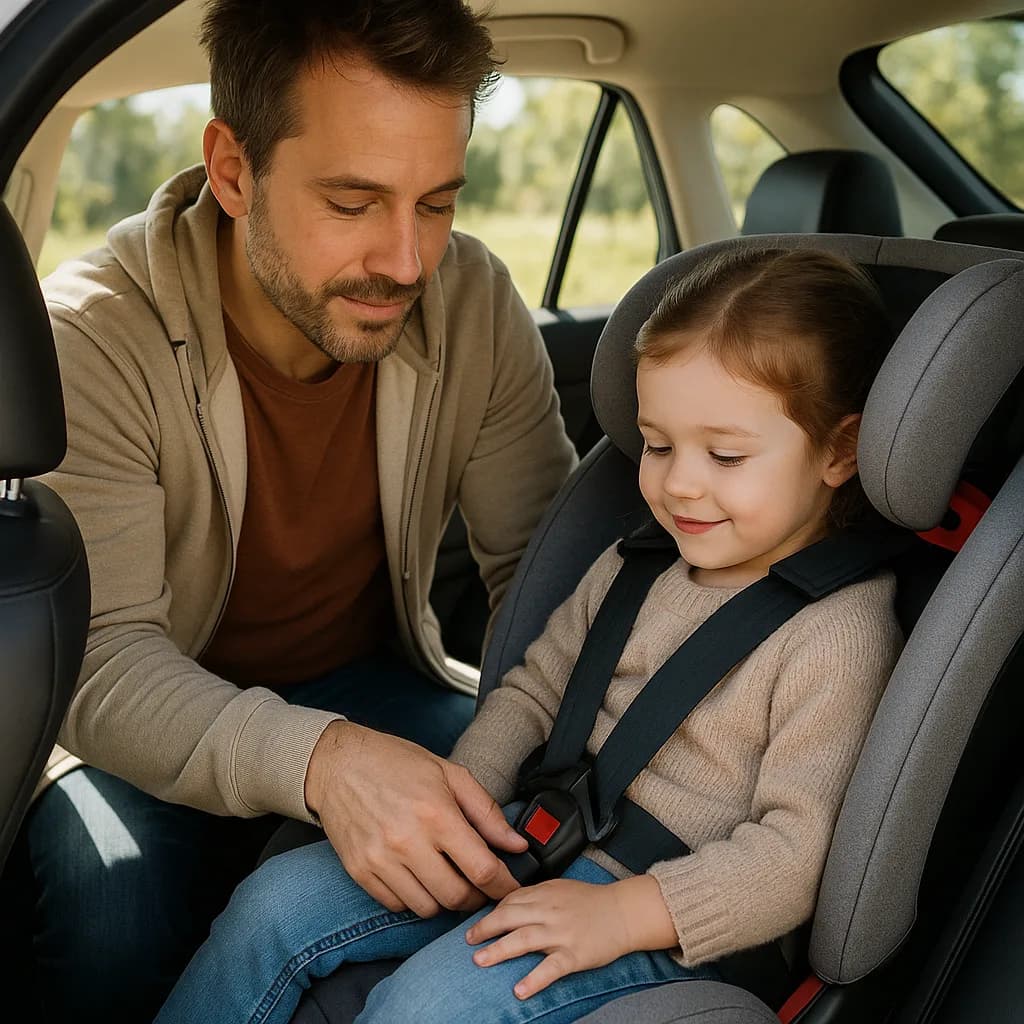
Permissive use requires three conditions: the owner gave explicit or implied permission, the use was occasional rather than regular, and the driver was not a member of the owner's household excluded from the policy. If your daughter borrows the car once because the household vehicle is unavailable, that is permissive use. If she drives it to school every Tuesday for six weeks, that is regular use, and the carrier can argue the grandmother should have listed her as a driver or excluded her by name.
Household exclusion is the second failure point. If the new driver lives at the same address where the car is garaged, the carrier treats them as a household member. Household members must be listed on the policy or explicitly excluded. If neither has happened, the carrier can deny the claim on the grounds that an undisclosed household driver materially increased the risk. This applies even if the driver has their own policy on a different vehicle.
Related Articles





Garaging Address and Household Membership
The garaging address is where the vehicle is parked overnight most nights of the week. It determines the risk profile the carrier underwrites. If the car is garaged at the grandmother's address and the new driver lives there, the driver is a household member for underwriting purposes. If the driver lives at a different address and borrows the car occasionally, they are a permissive user.
The distinction matters because household members are rated into the policy. Permissive users are not. A carrier prices the grandmother's policy based on the drivers in her household and the address where the car is kept. If a new driver moves into that household or the car is now garaged at the new driver's address, the risk has changed, and the carrier must be notified. Failing to notify creates the disclosure gap that voids coverage.
This is the failure mode most families miss: the grandmother lets her granddaughter borrow the car while she is living at college three hours away, and the car stays parked at the college address for weeks at a time. The garaging address has changed. The carrier was never told. The claim is denied because the vehicle was no longer garaged where the policy stated it would be.
If the new driver does live in the vehicle owner's household, the only compliant options are to add them to the policy as a listed driver or to file a named-driver exclusion that explicitly removes coverage when that person drives. There is no third option. Occasional permissive use does not apply to household members.
Most Common State Minimum Per Person
$25,000
The most common state minimum for bodily injury liability is $25,000 per person. If the grandmother's policy carries only state minimums and the new driver causes an accident with injuries exceeding that limit, the excess falls to any secondary coverage or to the driver personally.
State insurance regulations, 51 jurisdictions
When the New Driver Needs Their Own Policy
A new driver needs their own policy in three situations: they own or co-own the vehicle they drive, they live in a household where the vehicle owner's policy excludes them, or they use a borrowed vehicle regularly enough that permissive use no longer applies. Ownership is the clearest trigger. If the car is titled in the new driver's name or jointly with a parent, the new driver must be the named insured or a co-insured on the policy covering that vehicle.
Regular use is the murkier trigger. If the new driver borrows the grandmother's car every weekend, or drives it to work three days a week, or keeps it parked at their apartment for a semester, that is regular use. The vehicle owner's carrier should be notified, and in most cases the carrier will require the driver to be added to the policy or excluded. If neither happens and a claim occurs, the carrier has grounds to deny based on undisclosed regular use by a non-listed driver.
What to Do Before the First Borrowed Drive
Call the vehicle owner's carrier before the new driver borrows the car for the first time. Ask three questions: does permissive use cover an occasional driver with a new license, does the driver need to be listed if they borrow the car more than once, and does the policy exclude drivers under a certain age unless named. Write down the answers and the name of the representative who gave them. This creates a record that the question was asked and the carrier's guidance was followed.
If the new driver will be using the car regularly, ask the carrier to add them as a listed driver or to provide a named-driver exclusion form. The exclusion removes coverage when that person drives, but it also removes the disclosure obligation. If the driver is excluded and causes an accident, the vehicle owner's policy will not pay, but the claim cannot be denied on the grounds that the driver should have been listed.
If the new driver lives in the vehicle owner's household, listing or exclusion is not optional. It is a policy requirement. Permissive use does not apply to household members. The carrier will find out during the claim, and the claim will be denied. The time to resolve this is before the first drive, not after the accident.